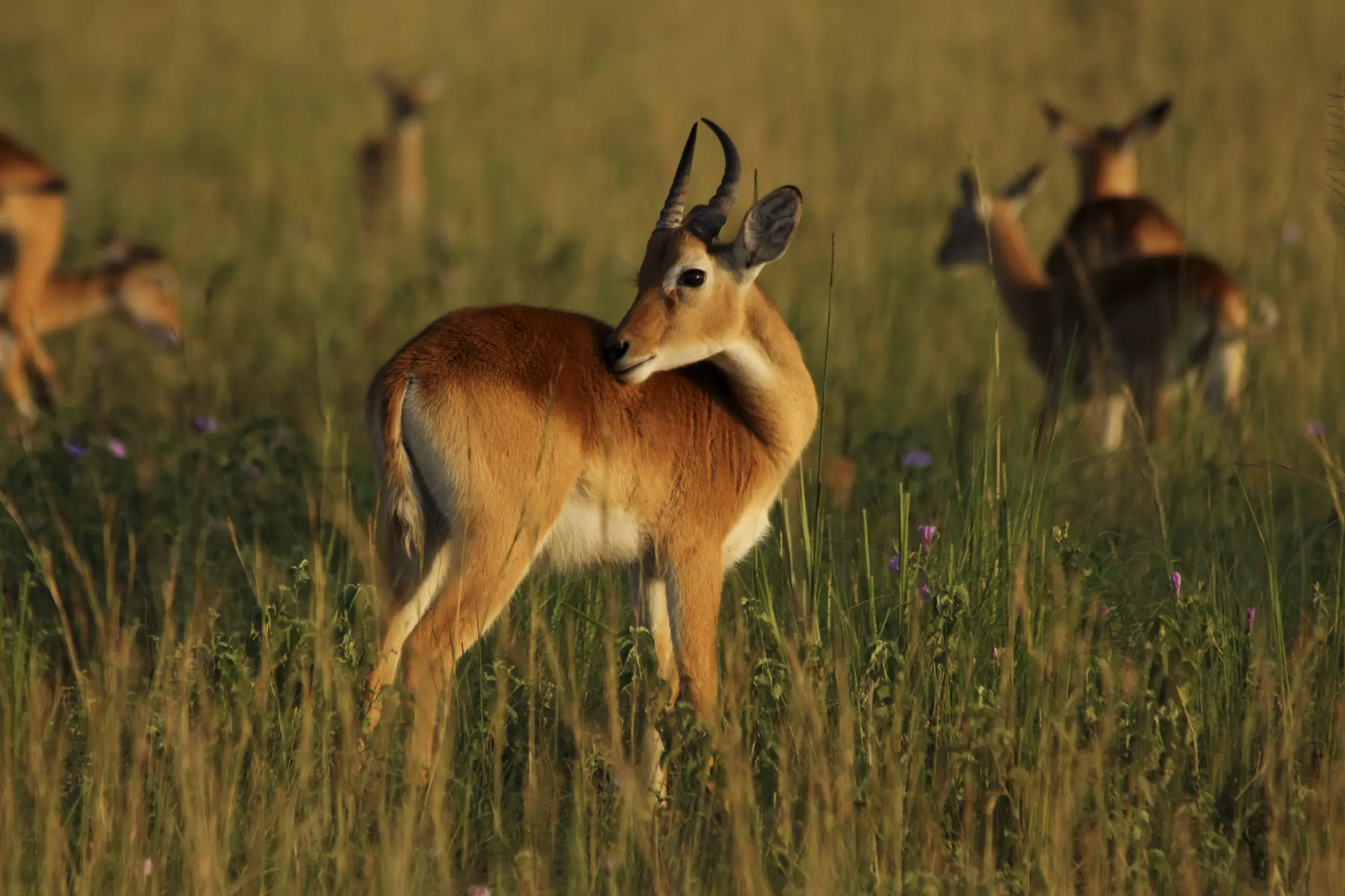
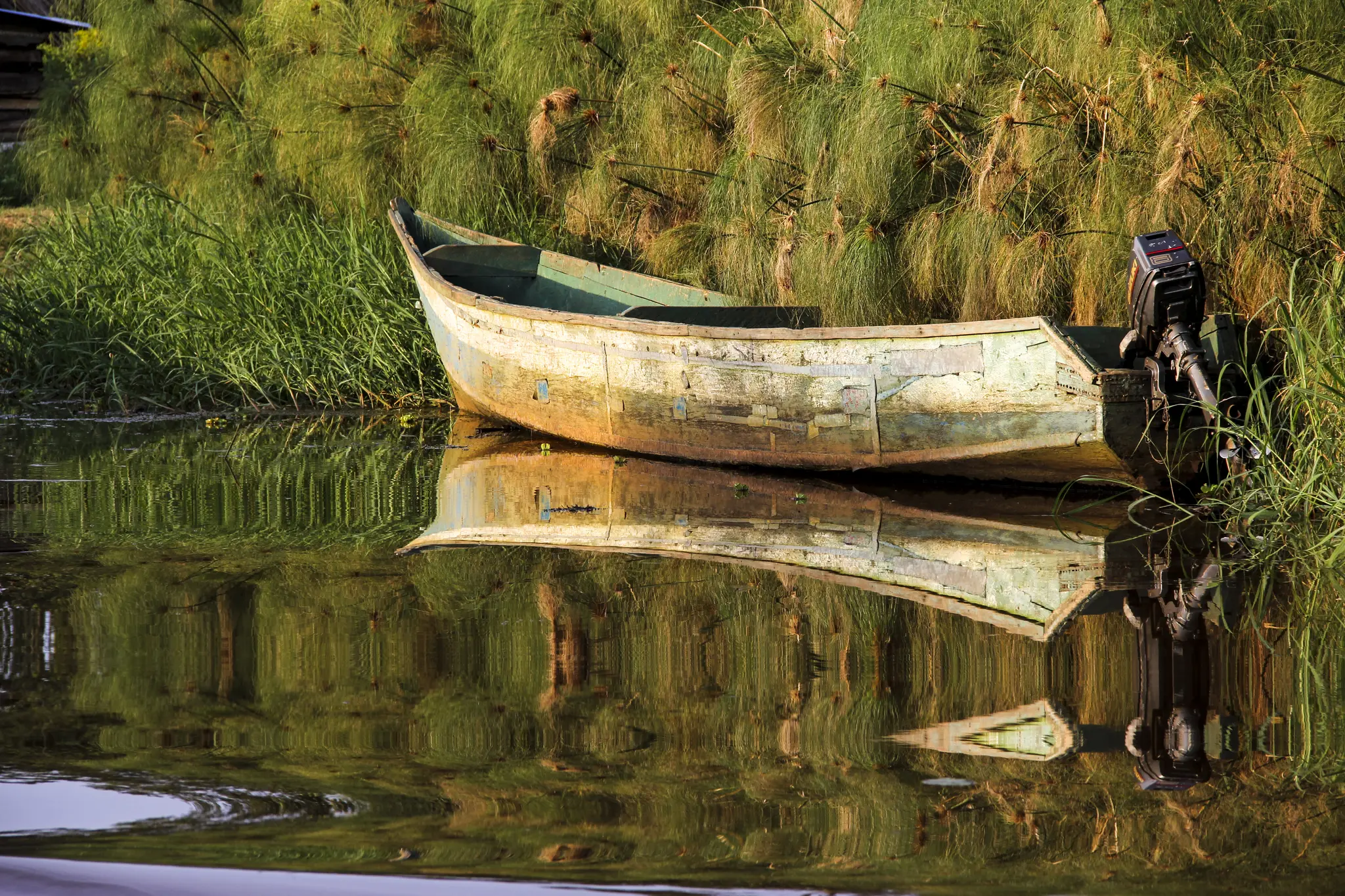
We bought two tickets for a trip to Uganda, but after 30 years together, we decided to go our separate ways. “Are you still going?” He asked. “Of course!”, I replied. “Of course!”, I replied. The first time I’d be going to a jungle in Africa, the first time going on a photo shoot in nature with other nature photographers, and I knew next to nothing about photography. I brought the basic camera that I had just bought; the other photographers came with suitcases full of equipment and knew how to pull out just the right one, with the perfect lens and stand exactly where they should to get the perfect shot. I felt like I was in a National Geographic film. We saw all of the big five animals and many more, in families, in groups, eating one another – natural Nature, all of us within the film of it. When I asked, like a child “What are we looking at, what do you see? What’s about to happen”, I asked but their answers were too late: when the lion had left, the zebra baby was born, the giraffes had finished fighting. They knew the names of every bird and when it was about to dive down to fish; when the birds began mating. I didn’t know what was going on and certainly didn’t have my camera ready. When I’d ask: “Now?”, each time they told me: “Corinne, it’s already over!”.
They were all ready when we stood alongside the Nile and the kids were crossing, totally wet other than the books they held over their heads. The photographers weren’t taking the kids’ photos –they were nature photographers— they were awaiting the crocodiles that were there. Any moment, some child was about to get eaten. And indeed, one of the kids was pulled under the water. They were silent, knowing everything they did but so focused they weren’t speaking at all. One said to me: “You are brave to come here, not knowing how to take photos”. I didn’t see so many of the things that came up later on their screens.
One moment, when I was aware that I was in danger (there were others but I had no idea) was when we found ourselves among the animals who were living their lives… Nature photographers, in fact, risk their lives all the time. Rhinos don’t see very much, it turns out, but when we surrounded their lazing bodies, suddenly they felt it and all at once they got to their feet to attack us. Luckily the guide had said “If you feel your life is in danger, climb up the nearest tree”. So I did!
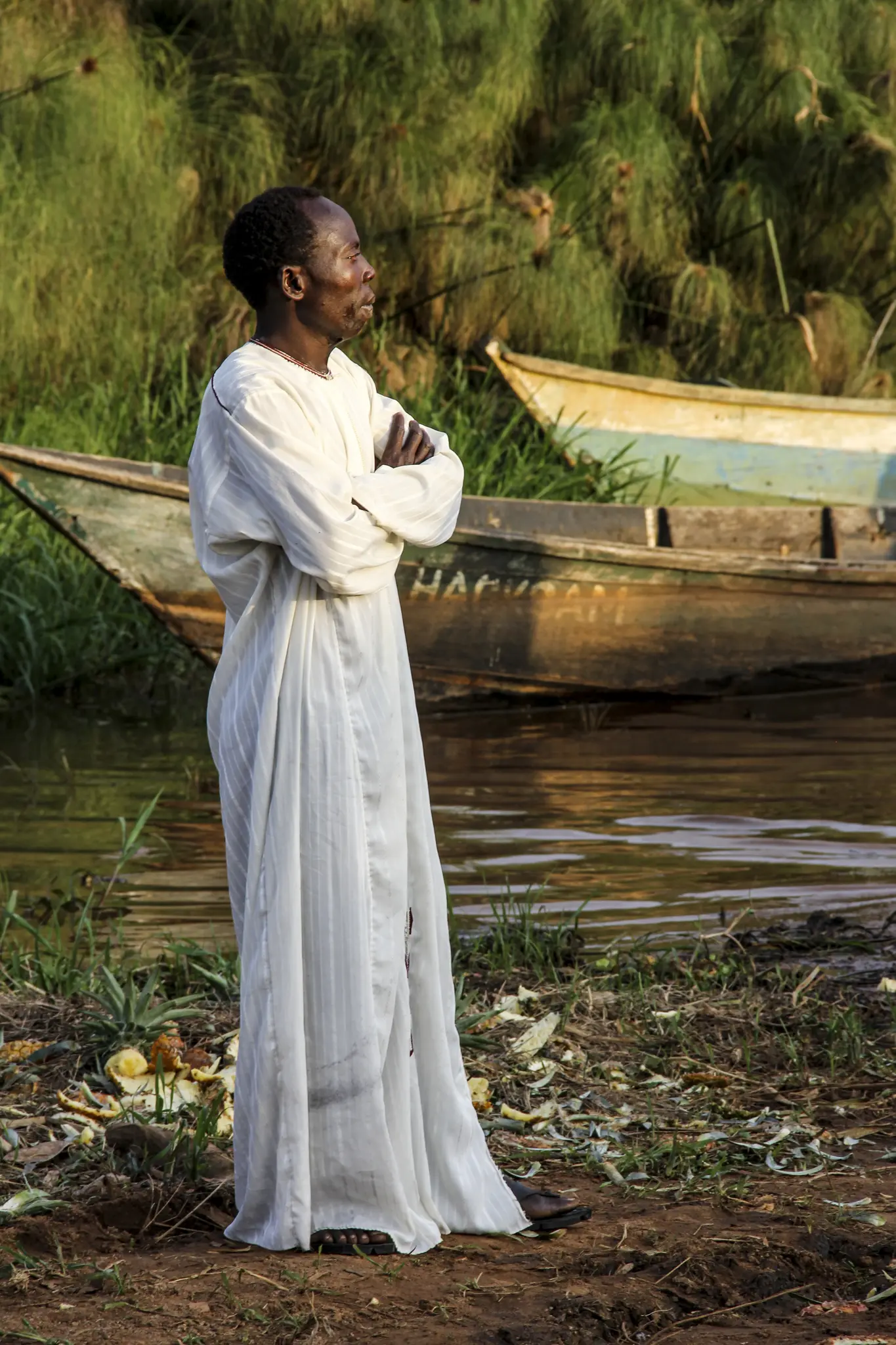
The Nile with all of its water was the opposite of what I expected -I thought it was dry and poor and sad. Instead Uganda in November was full of water, fertile beyond my imagination.
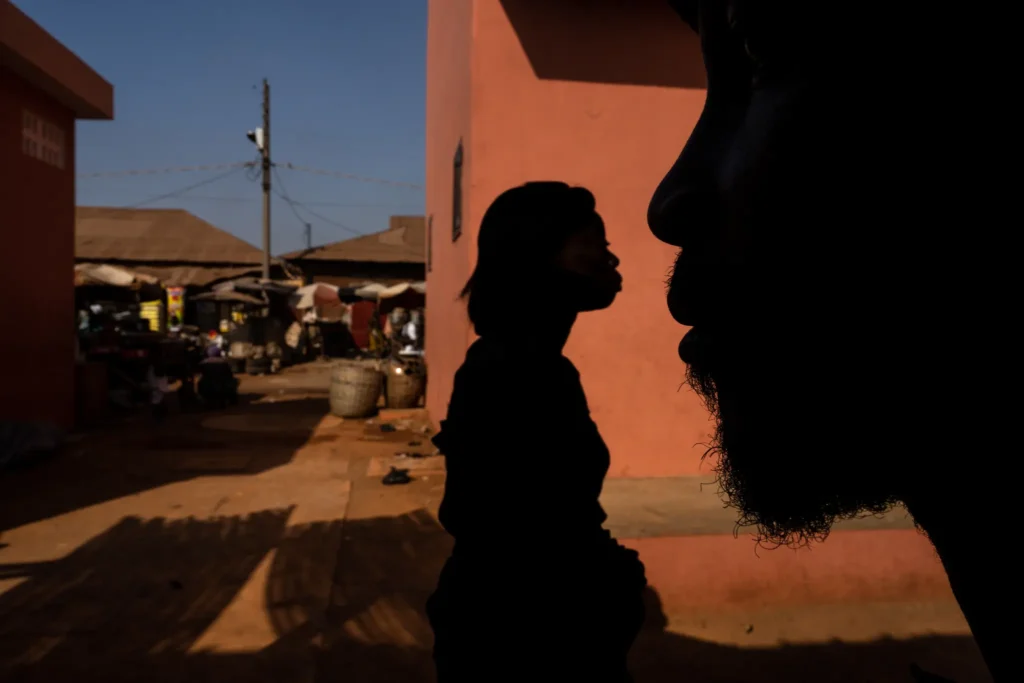
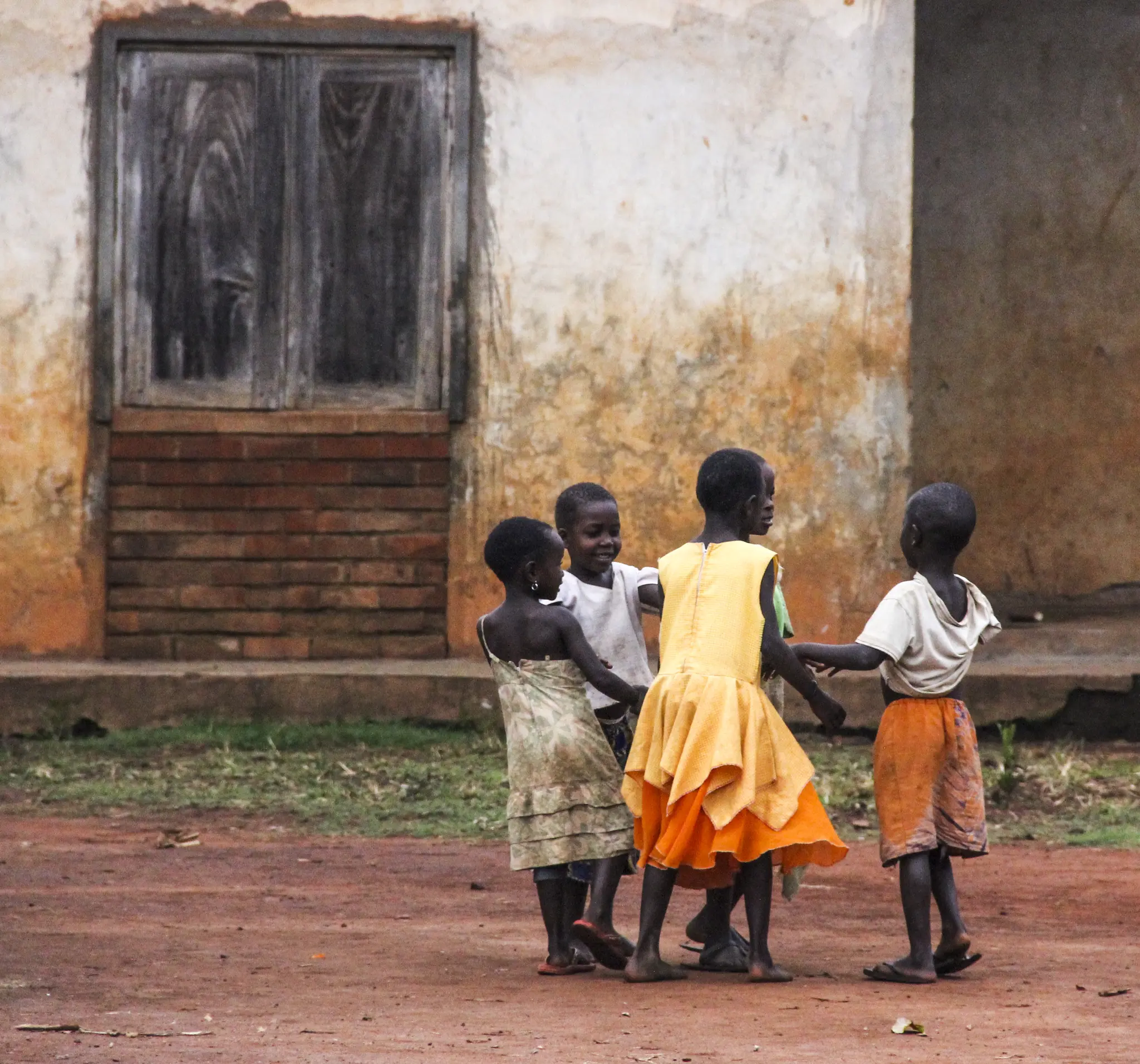
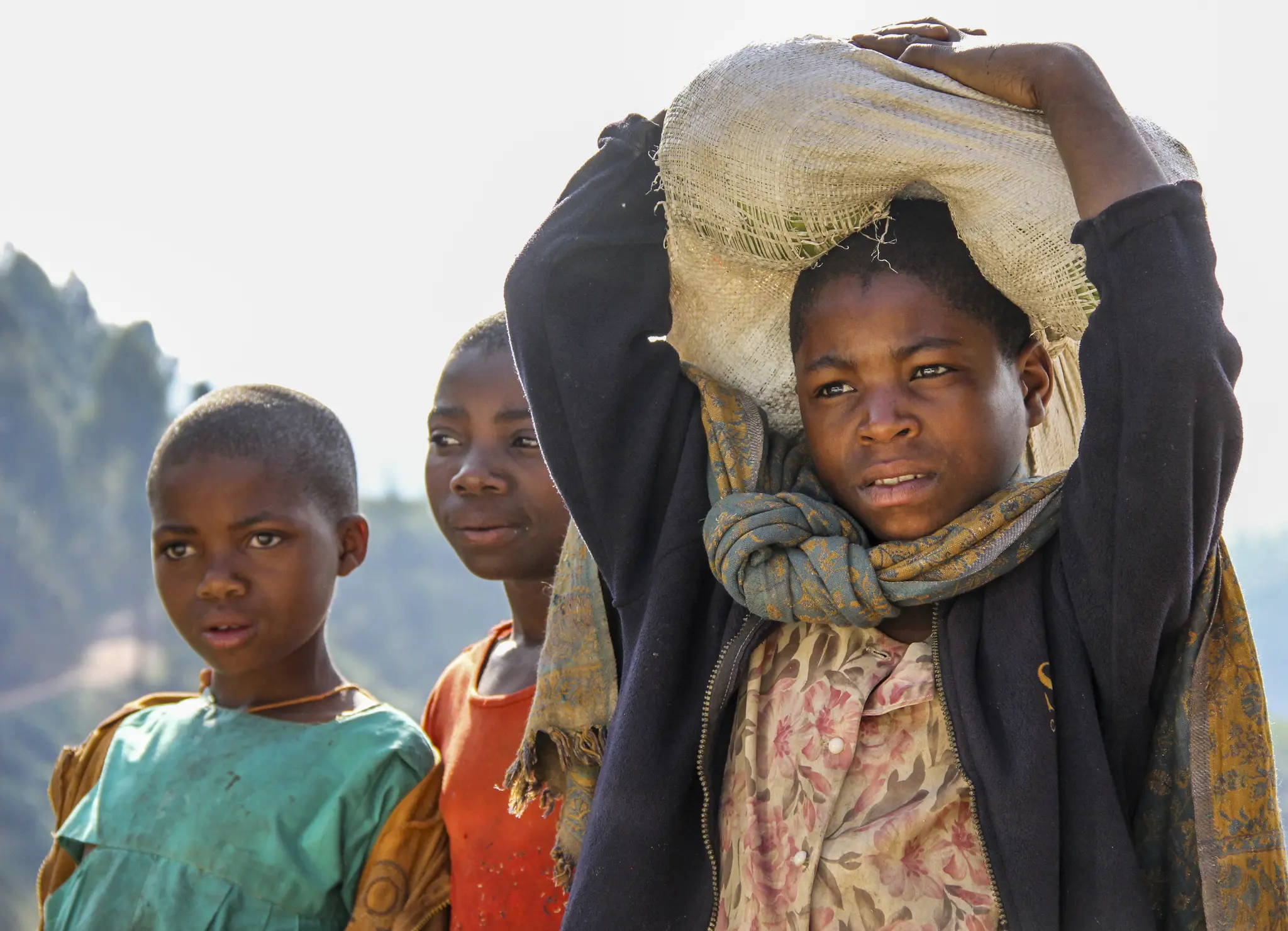
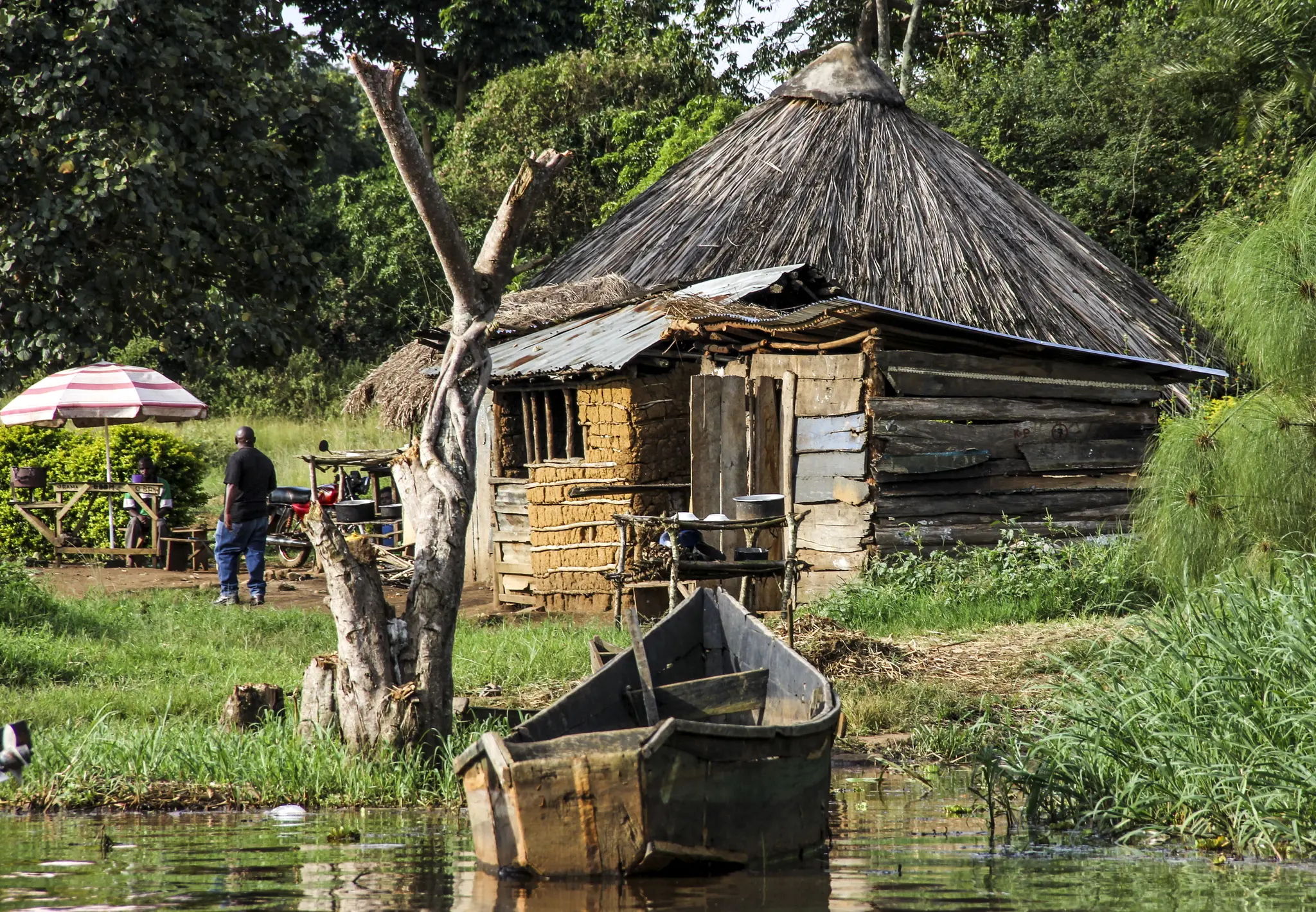
We travelled in jeeps and we saw villages and families in them, living their daily lives. We’d get out of our jeeps and begin to shoot, getting a picture of how they live: houses made of mud, drawing water from the wells, women who carve chunks with a rock in their hands in order to make gravel for building. Their food is mainly root vegetables that they grow, corn. The men sit together in groups, talking but not moving. The women build, bring water, cook, clean, teach the children and do everything else. The children play.
The height of the experience for the nature photographers was the visit to the jungle and taking pictures of the silver-back gorillas – so similar to us. We went in a few small groups of eight, and because there had been a fight between two gorilla groups in the evening before, they had gone far away. We had to walk 12 hours through the jungle looking for them, with machetes carving our way; we slipped and slid the whole way, one photographer was only saved from a fall by the thin bushes along the path. They kept saying “In a minute we’ll see them” and we walked for 12 hours. In the end, we’d see a group of gorillas that another group had already seen because it was too far. We are sliding down the hill on our rear ends, hopping, slipping along when we finally came to the point where we’d seen them. I was first in line, going down with the rest behind me. I came to stop about half a meter from a giant silverback gorilla; I was breathless from the shock, from the smell of him, from the trip. He had his back to me, was chewing on some leaves, his whole family in front of him. I was paralyzed with fear, afraid I’d slide into him, I didn’t have a thought of even picking up my camera. The rest of the photographers all clicking away silently as I sat there – they looked at us while we all stared at them. The guide then decided to use his machete to stir up some action among them by hitting a nearby branch with it. And then the male silverback turned around and began pounding on a branch as well, harder, saying “This is my territory!” And I was white with terror. And again, I saw everything later on their cameras; I was there but yet I wasn’t. Things like this happened again and again – they had pictures of a huge exotic bird, big enough to carry a child away in its beak, and I hadn’t even noticed it.
I asked what I need to do in order to be a nature photographer. They said, “You have to get up early and go out every single day to shoot pictures”. I said, “But I work a full-time job at the university. When can I do it?” So they said, “Go on weekends. Get up at 4 am and go, take photos of nature in Israel”. And that’s what I have done in the six years since then. It was a lesson for me on persistence, and being serious – on stating my intention to be a photographer. These “teachers” were tough but they wouldn’t have achieved anything without their discipline, and so I’ve tried my best to follow in their footsteps.
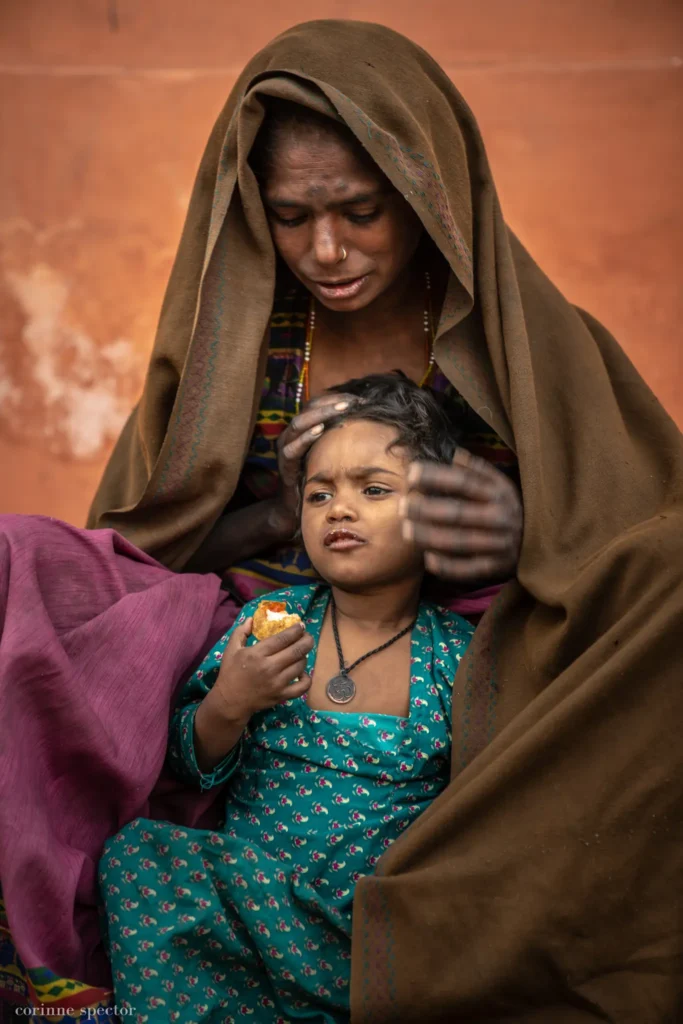
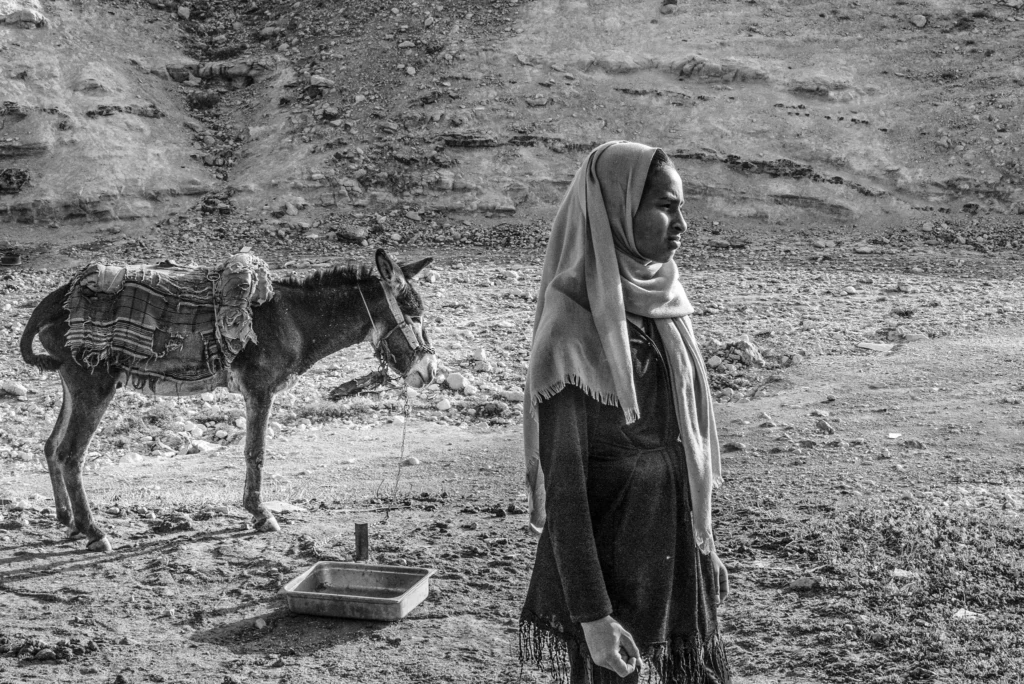
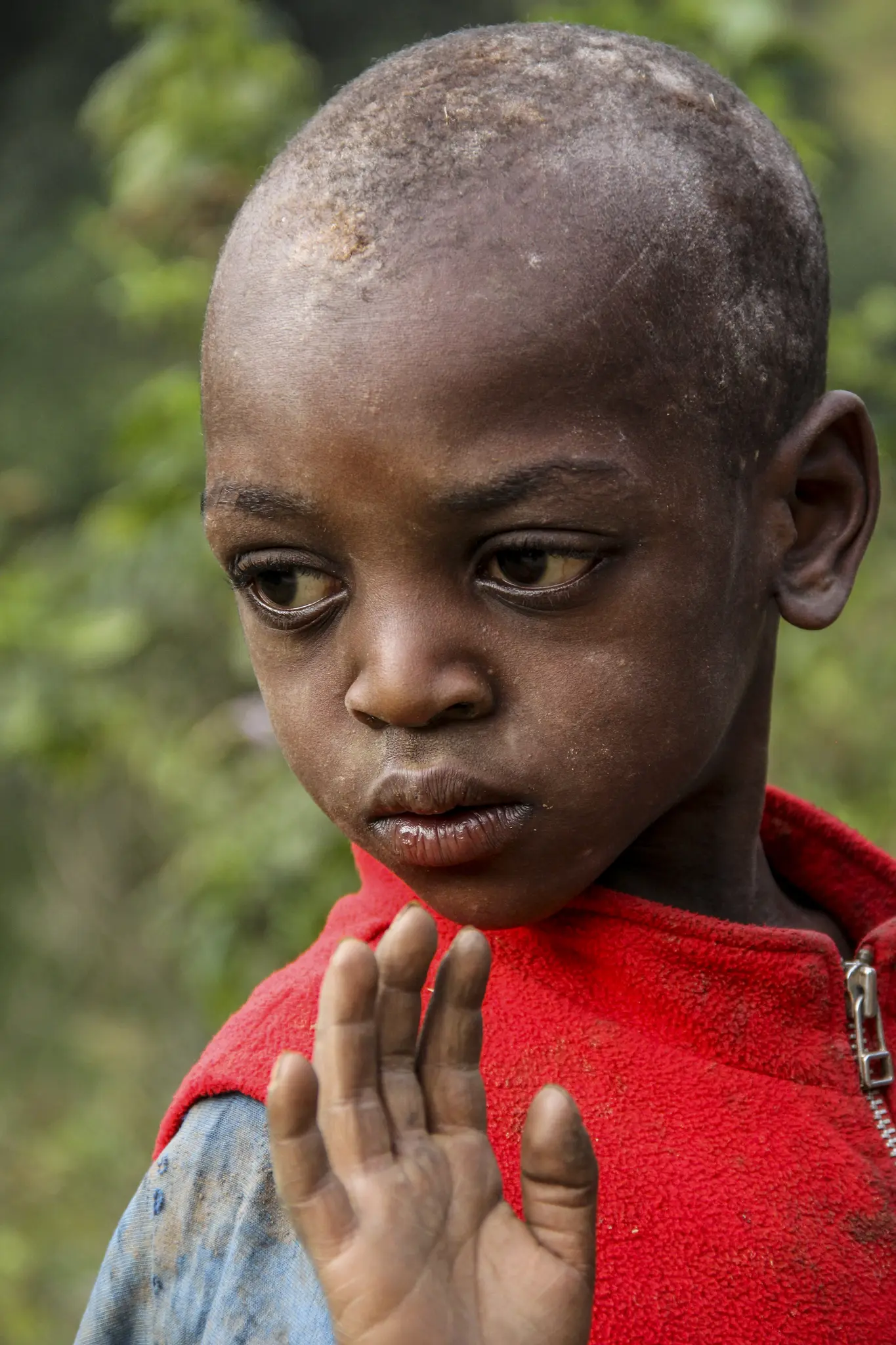
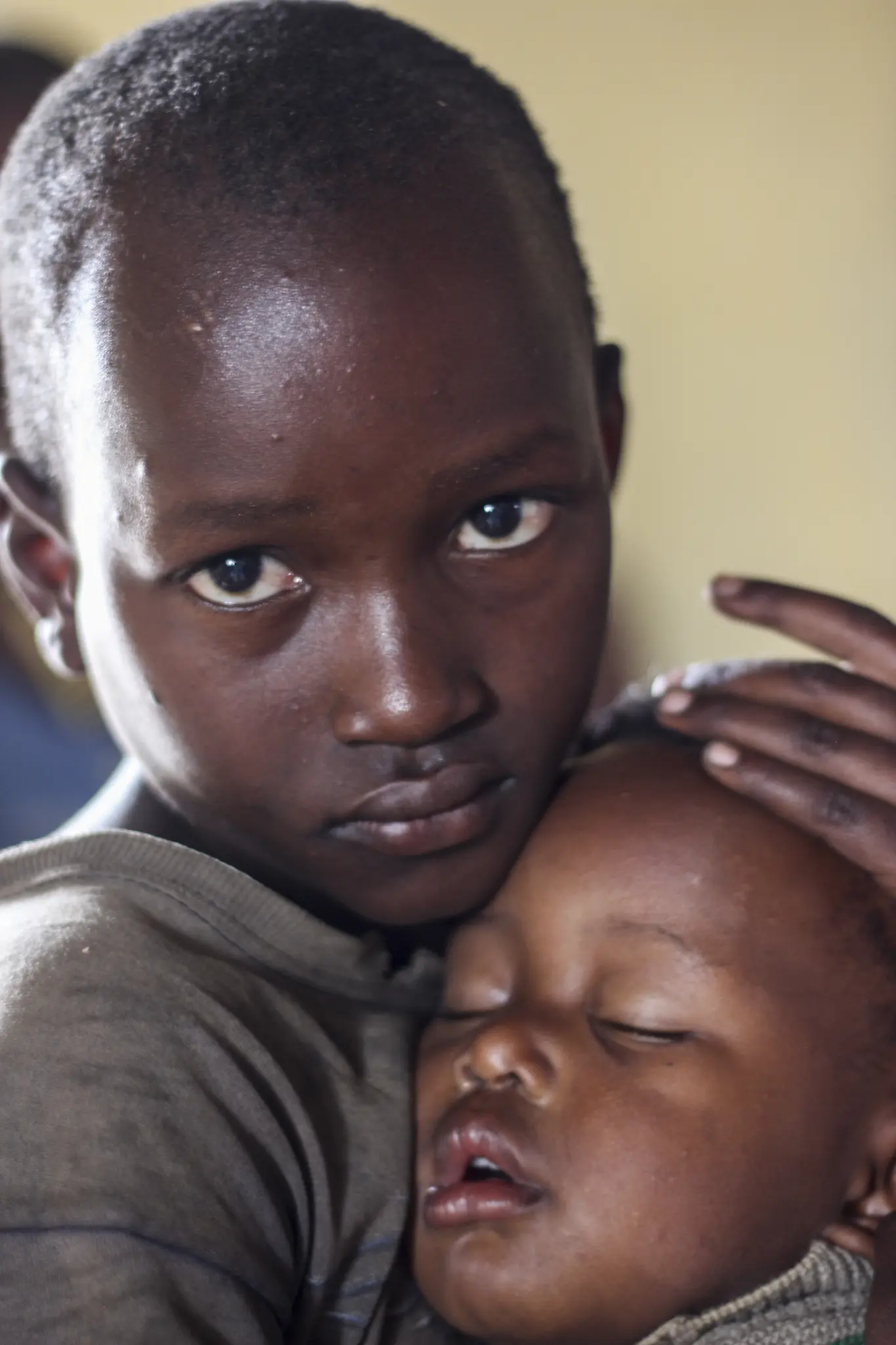
For three years after this trip, I took nature photos in many locations: Tanzania, the North pole, the delta in Romania, Zanzibar… But then I decided that people from different cultures are what interest me, and since then I take photos of people instead. And so my photos from the nature shoot in Uganda are mainly of children, of families rather than of nature.