Bedouins Israel
Tarabin or Al-Tirabin derives from the Taraba valley in Saudi Arabia where this tribe once settled. They have a long and storied history of nomadism from Saudi Arabi, throughout the region (from and Saudi Arabia to Cairo and Israel, and Jordan), extending even as far as Punjab, India… In this area, they were the most important tribe in Sinai peninsula in the 19th Century. The tribe has over 500,000 people. Now in the Negev, they are the largest tribe. Of course they have suffered from loss of their lands, and later from unemployment, in the traditional sense. And the crime rates are higher than the normal population, including smuggling of drugs and weapons across the border from Egypt, even smuggling of people – African laborers, even prostitutes.
There have been efforts to urbanize them and improve (somewhat) life conditions. 7 townships were developed between 1969-89 in Israel. The houses and towns they built were unsuitable for the Bedouin way of life and the Bedouins often refused to live in them. Of course the process of sedentarization – the transition from wandering to permanent residence was difficult for them. Their traditionally-based society has problems vis-à-vis modern society around them and women are often marginalized. And in 2004 a township called Tirabin al-Sana was built for them.
About half the 170,000 Negev Bedouin live in 39 unrecognised villages without connection to the national electricity, water and telephone grids. The bedouin consist of 25% of the population of the Northern Negev and have jurisdiction over less than 2% of the land. Seven of the bedouin townships are amongst the 8 poorest localities in Israel.[15]
In 2011 the Prawer Commission published its suggestion for relocation 30,000-40,000 Bedouin to government-approved townships.[17][18] This plan did not specify the means of doing it and has been criticized by the European Parliament.[19] After prolonged negotiations three agreements were made between the state authorities and the Tarabin Bedouin. As a consequence, the remainder of this tribe voluntarily moved into a state build settlement of Tirabin al-Sana.
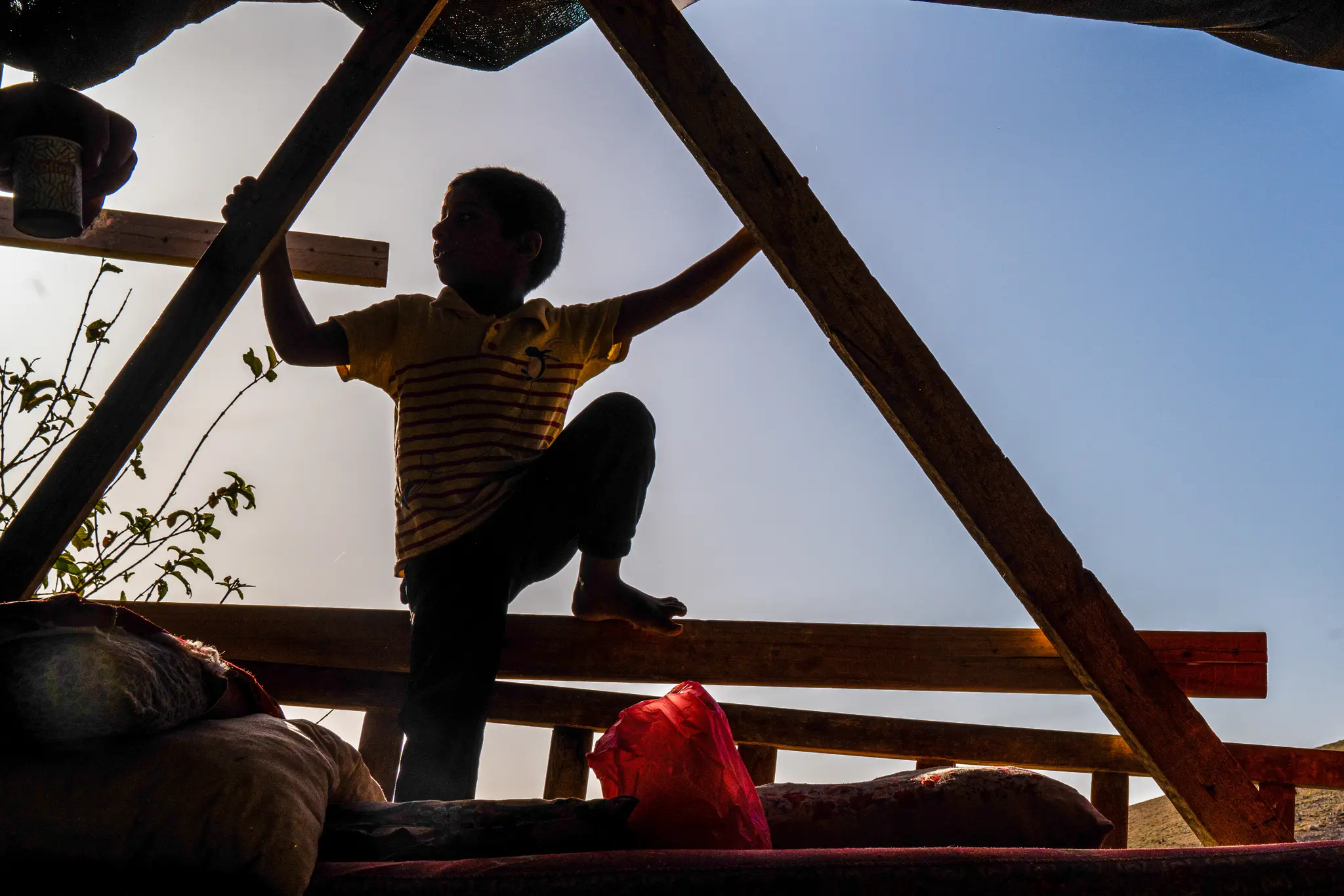
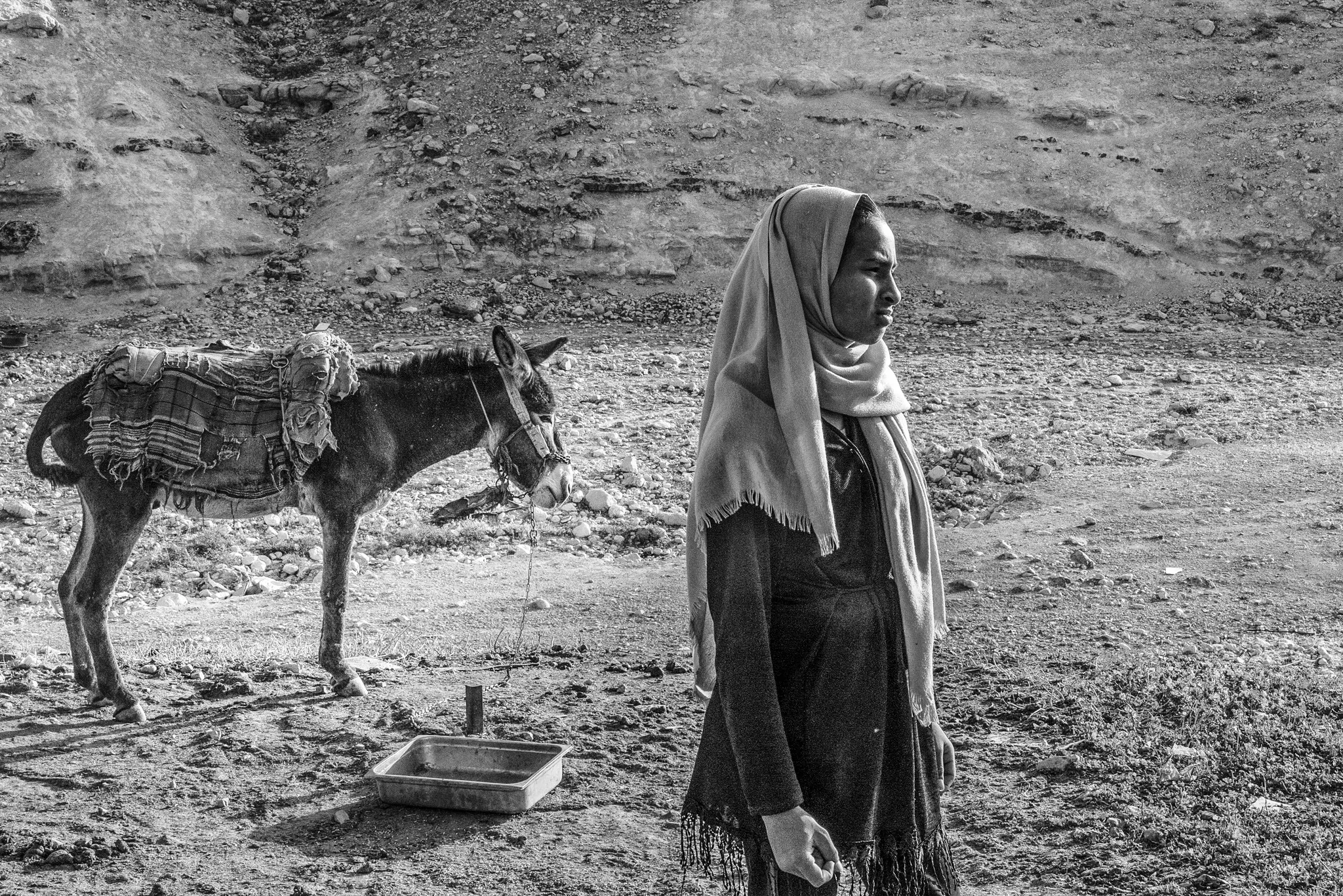
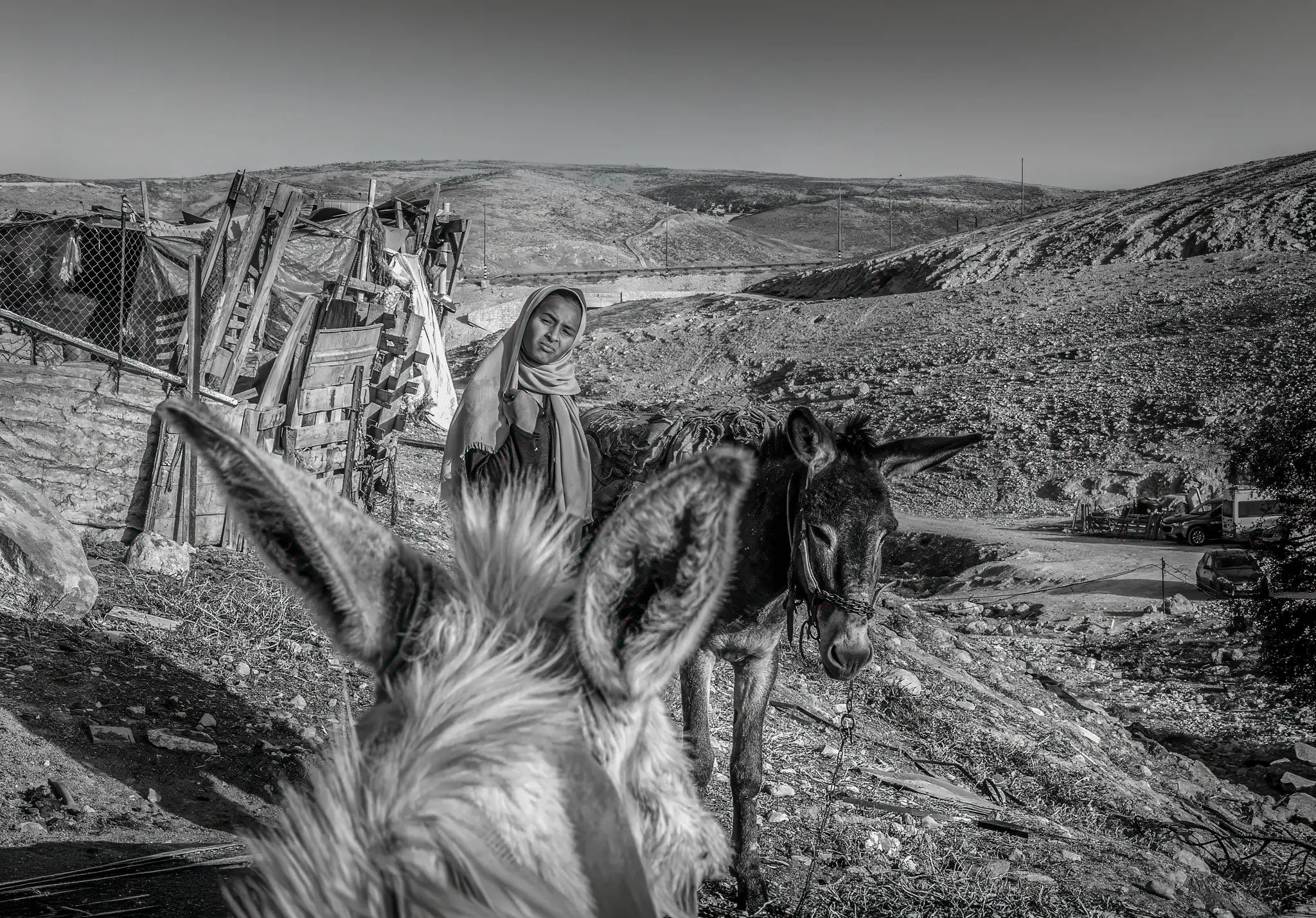
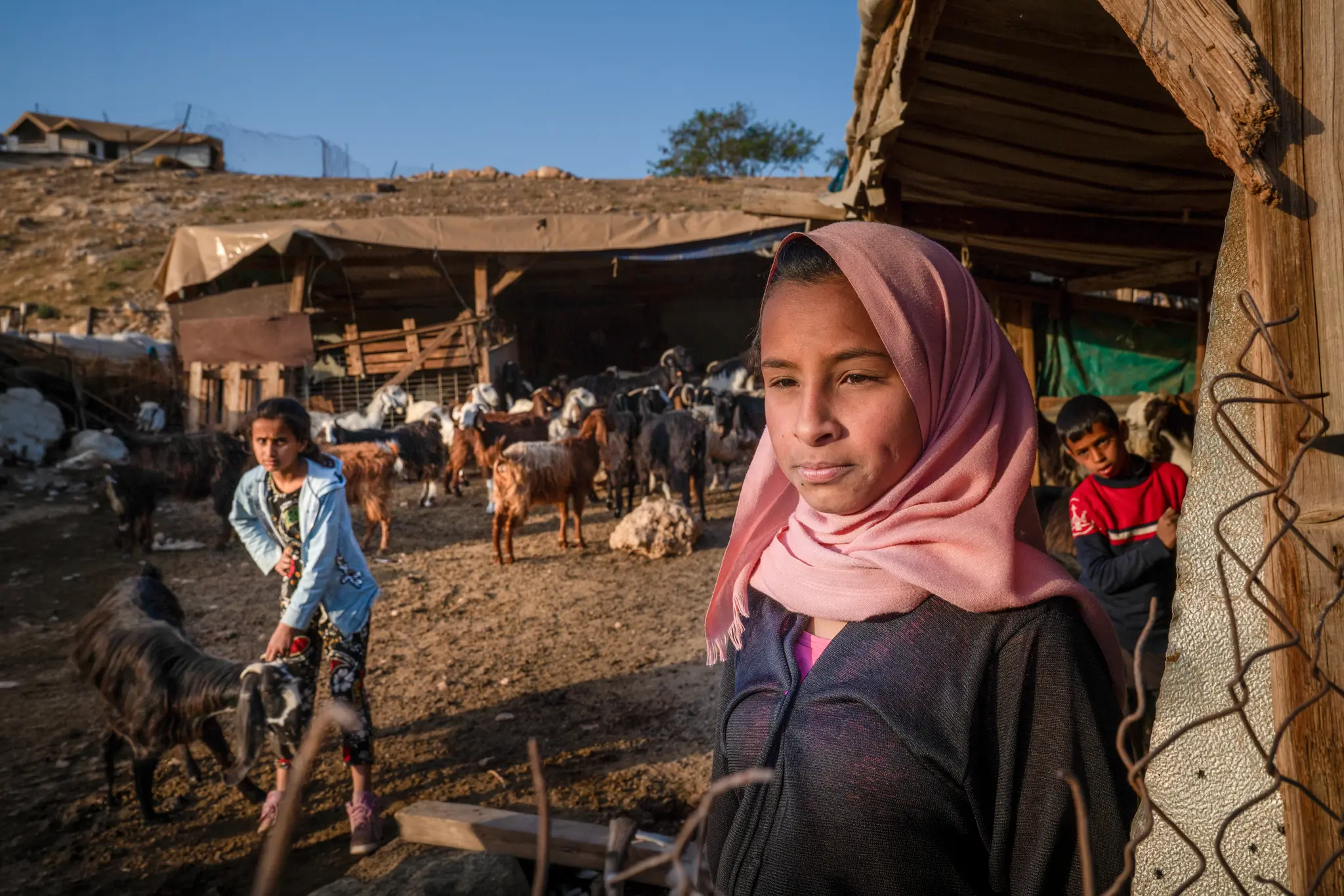
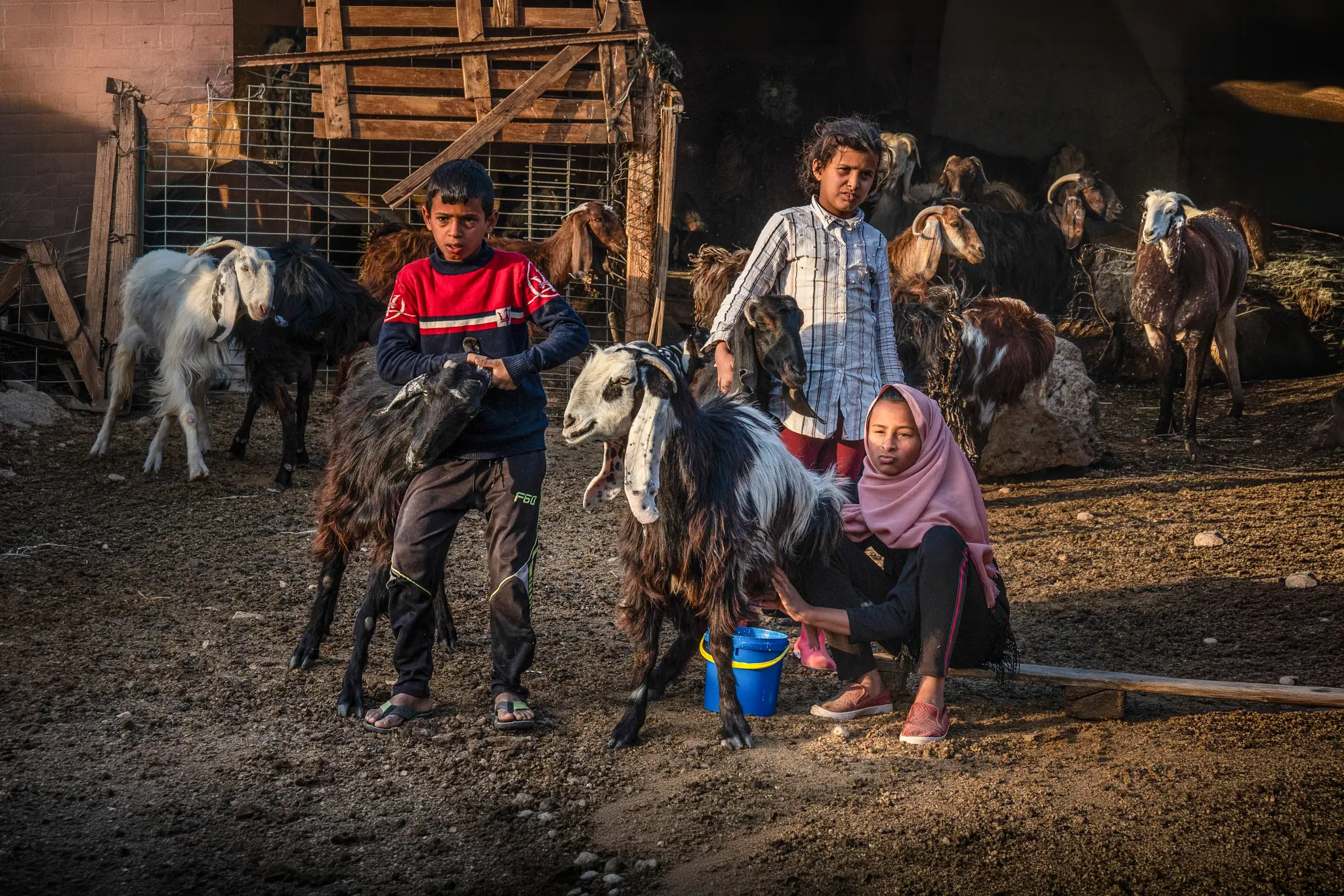
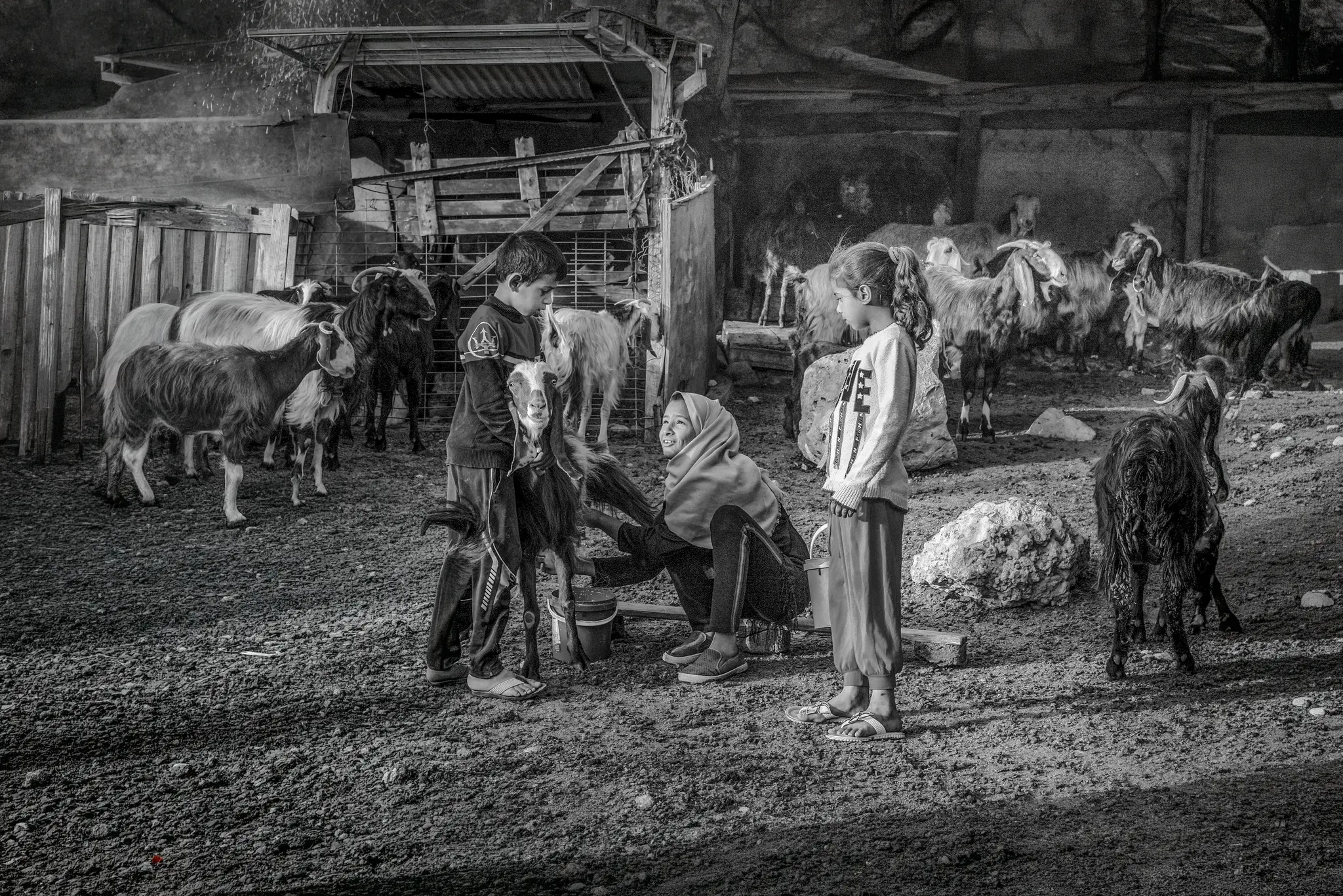
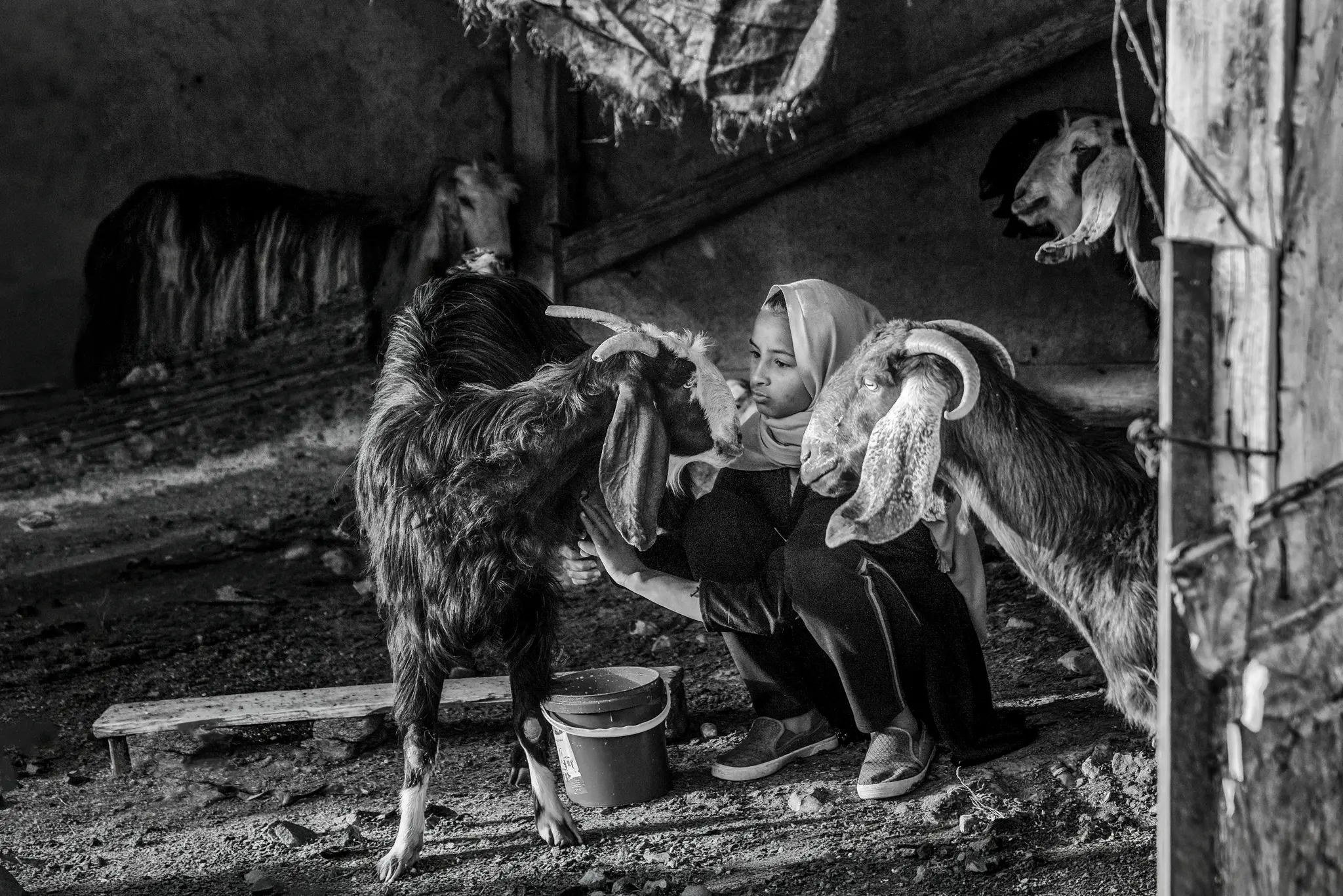
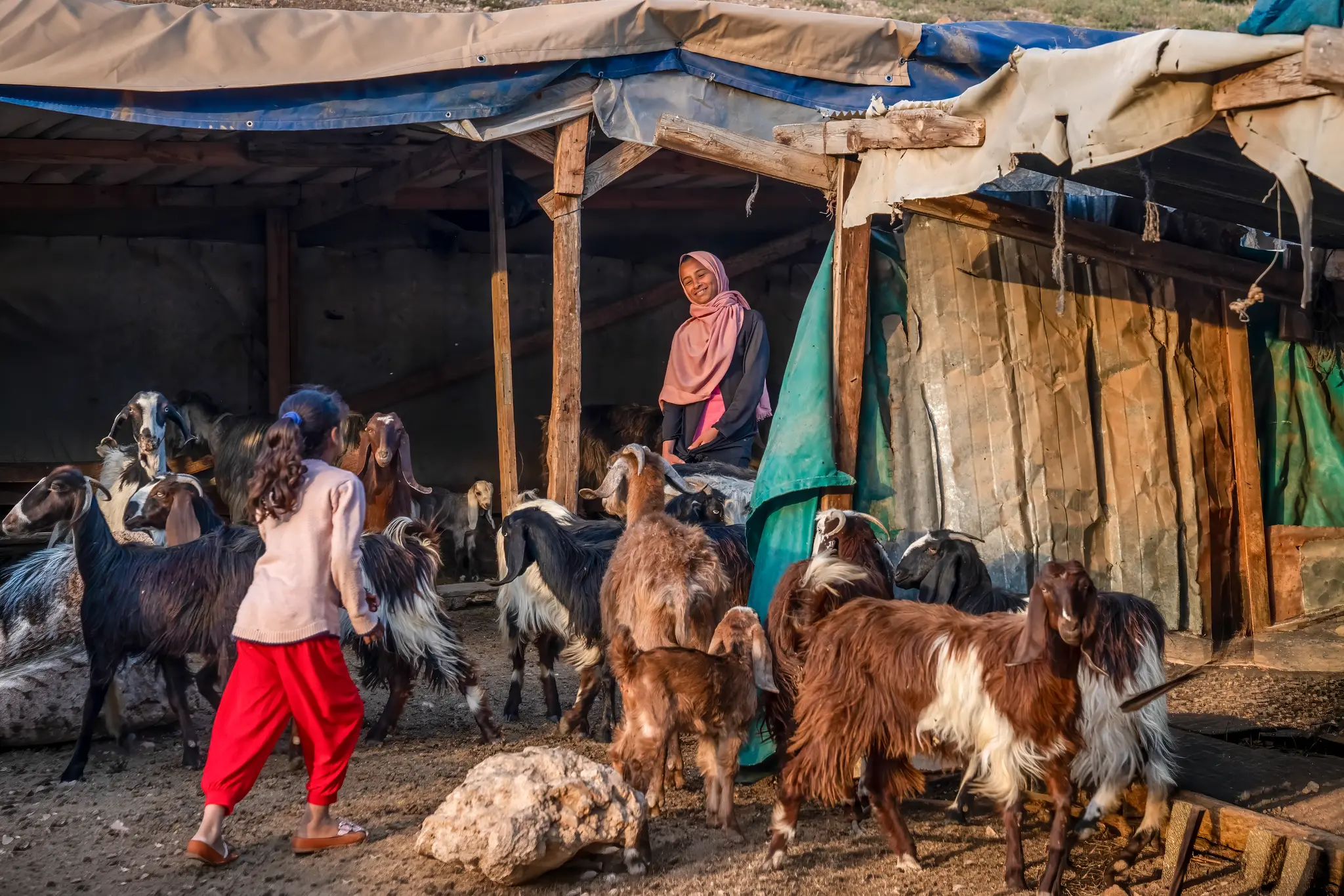
My visit took place in Khan el Achmar April 2021. Khan al-Ahmar ( The Red Caravansary)[1] is a Palestinian village (sometimes referred to as the “Khan al-Ahmar school community”) In 2018, there were between 173 and 180 Bedouin, including 92 children,[2][3] living there in tents and huts, with 150 children in its area school.[4][5] Khan al-Ahmar is located between the Israeli settlements of Ma’ale Adumim and Kfar Adumim, in the Jerusalem Governorate of the West Bank.
In May 2018, the Israeli High Court of Justice determined that its residents could be evicted.[4] The United Nations,[7] the International Criminal Court,[8] the European Parliament[9] and Amnesty International[10] have stated that the demolition of the village would be a violation of international law, being a breach of the Fourth Geneva Convention, and may amount to a war crime.[2]